








St. Louis serves as one of the Midwest’s most important transportation and distribution hubs. Major interstate access, rail connections, industrial corridors, and proximity to national shipping routes make the region a central point for warehousing and commercial freight movement.
As warehouse development and distribution activity continue to expand throughout the St. Louis area, commercial vehicle traffic has increased significantly on highways, industrial roads, and suburban corridors. With that growth has come a corresponding rise in serious truck-related crashes involving passenger vehicles, delivery fleets, and commercial transport vehicles.
These collisions are often more complex than ordinary Missouri traffic accidents because the risks are tied not only to individual drivers, but also to the operational pressures surrounding warehouse and distribution systems themselves.
Distribution Traffic Creates Constant Commercial Vehicle Movement
Modern distribution networks depend on continuous transportation activity.
Warehouses and fulfillment centers operate around the clock, creating steady movement of:
- Tractor-trailers.
- Delivery vans.
- Box trucks.
- Freight carriers.
- Container transport vehicles.
- Employee shuttle traffic.
- Third-party logistics vehicles.
Unlike traditional rush-hour congestion, distribution traffic often extends throughout the day and overnight hours. Commercial vehicles move between interstates, industrial facilities, loading docks, and local delivery routes with little interruption.
This creates ongoing exposure for drivers traveling near warehouse-heavy corridors throughout St. Louis.
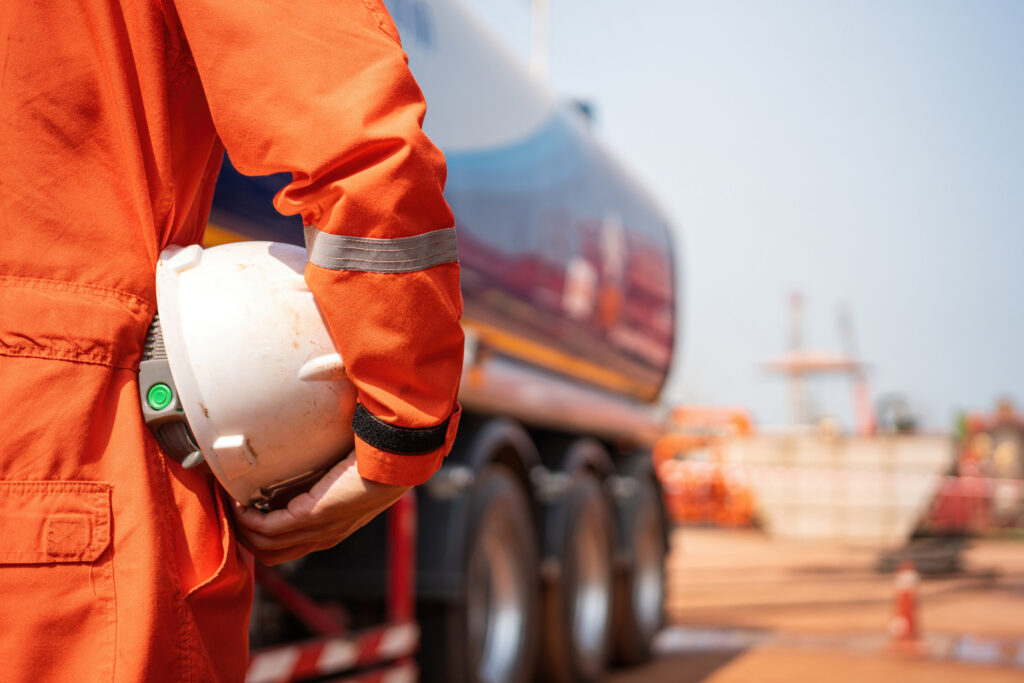
Commercial Vehicle Congestion Changes Traffic Patterns
Areas surrounding large distribution facilities often experience traffic conditions that differ significantly from ordinary commuter traffic.
Common conditions may include:
- Frequent truck merging.
- Sudden lane slowdowns.
- Increased stopping distances.
- Congested loading zone access roads.
- Wide commercial turns across multiple lanes.
- Limited visibility near industrial entrances.
As commercial traffic density increases, smaller passenger vehicles may have less room to maneuver safely around large trucks.
These risks become even more serious during high-volume shipping periods, overnight freight operations, and heavy interstate congestion.
Warehouse Growth Has Expanded Commercial Traffic Into Suburban Areas
Distribution activity is no longer confined to isolated industrial districts. As warehouse development expands outward from urban centers, commercial vehicle traffic increasingly moves through suburban and mixed-use areas.
Drivers in St. Louis communities may now encounter heavy truck traffic near:
- Retail corridors.
- Residential developments.
- Highway interchanges.
- Commercial shopping areas.
- Local connector roads.
Roads originally designed for moderate local traffic may now support frequent large-truck operations throughout the day.
This shift increases the likelihood of collisions involving passenger vehicles, bicyclists, and pedestrians.
Fatigue and Delivery Pressure Often Contribute to Crashes
Commercial transportation schedules are heavily driven by timing expectations. Drivers may operate under pressure to complete deliveries, maintain shipping schedules, or move freight efficiently between facilities.
These pressures can contribute to:
- Fatigued driving.
- Distracted driving.
- Aggressive lane changes.
- Speeding in congested areas.
- Reduced reaction times.
- Failure to maintain safe following distances.
Although federal regulations govern many aspects of commercial driving, operational demands within warehouse and distribution systems can still create dangerous real-world conditions.
Large Commercial Vehicles Create Serious Visibility Problems
One of the most significant risks associated with warehouse traffic is limited visibility.
Commercial trucks frequently create:
- Large blind spots.
- Obstructed sightlines at intersections.
- Reduced visibility during lane changes.
- Limited visibility for nearby drivers attempting to merge or pass.
Passenger vehicles traveling alongside trucks may disappear entirely from a driver’s view for several seconds at a time.
In congested areas surrounding warehouses and distribution centers, these visibility limitations can quickly contribute to side-impact crashes, merging collisions, and chain-reaction accidents.
Liability in Distribution-Related Truck Crashes Can Become Complicated
Commercial vehicle crashes connected to warehouse operations often involve more than a single driver or trucking company.
Potentially involved parties may include:
- Freight carriers.
- Warehouse operators.
- Third-party logistics companies.
- Commercial fleet operators.
- Maintenance contractors.
- Delivery subcontractors.
Liability questions may involve:
- Driver scheduling practices.
- Vehicle maintenance.
- Dispatch procedures.
- Commercial safety policies.
- Cargo loading operations.
- Corporate oversight.
These cases often require investigation into operational systems that extend far beyond the crash scene itself.
Insurance Companies Often Defend Commercial Cases Aggressively
Crashes involving commercial vehicles frequently involve substantial insurance coverage and significant financial exposure.
As a result, insurers and corporate defendants often begin investigating immediately after the collision occurs.
Defense strategies may include:
- Disputing fault.
- Assigning comparative fault to injured drivers.
- Challenging injury severity.
- Limiting access to company records.
- Narrowing corporate responsibility.
Because evidence involving commercial operations may disappear quickly, early investigation is often critical.
How Gogel Law Firm Evaluates Commercial Vehicle Injury Cases
At Gogel Law Firm, our attorney understands that warehouse and distribution-related crashes are rarely simple traffic cases. These incidents often involve overlapping commercial operations, layered insurance coverage, and broader questions about transportation safety practices.
Our law firm evaluates not only the driver’s conduct, but also the operational factors that may have contributed to the crash, including scheduling pressures, commercial traffic conditions, maintenance practices, and corporate oversight.
If you or a loved one were injured in a commercial vehicle crash in the St. Louis area, Gogel Law Firm can help you understand your legal options and determine whether additional parties may share responsibility for the collision. Contact our St. Louis personal injury attorney at (314) 742-3147 or reach out online for a free consultation.
