







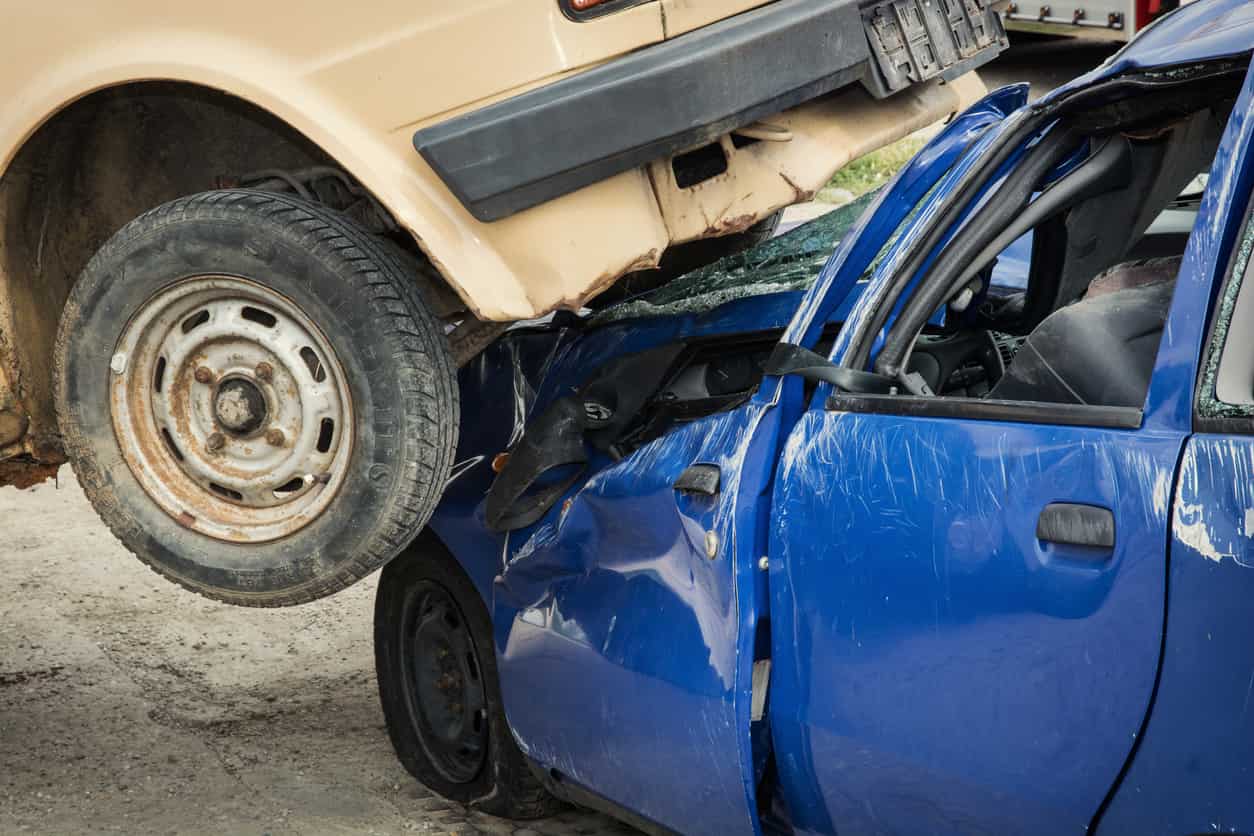
Among the most catastrophic truck crashes on Missouri roadways are underride collisions. These incidents occur when a smaller passenger vehicle slides beneath the rear or side of a commercial truck, often resulting in severe or fatal injuries. Unlike other types of vehicle crashes, underride collisions involve a fundamental mismatch in height and structural protection, leaving occupants of smaller vehicles especially vulnerable.
These crashes frequently take place on highways, rural roads, and local corridors where commercial trucks slow, stop, or turn. Understanding why underride collisions are so dangerous and how liability is evaluated under Missouri law is critical for injured victims and their families.
What Makes Underride Collisions Structurally Different
Underride crashes are distinct because they bypass the safety features built into most passenger vehicles. In a typical collision, bumpers, crumple zones, and airbags are designed to absorb impact and protect occupants. In an underride collision, however, the point of impact is often above these protective systems.
When a vehicle slides beneath a trailer:
- The upper portion of the vehicle may absorb the force of impact rather than the frame.
- Airbags may not deploy in a way that meaningfully protects occupants.
- The passenger compartment can be crushed or sheared off entirely.
This structural reality is a primary reason these crashes are so often fatal or result in catastrophic injuries.
Where and How These Collisions Occur
Underride collisions can happen in a variety of real-world scenarios, many of which involve routine truck operations.
Common situations include:
- A truck stopping suddenly in traffic or at a poorly marked intersection.
- A trailer crossing a roadway during a turn, creating a barrier across active lanes.
- A truck parked or stopped along a roadway without adequate visibility or warning.
- Low-light or nighttime conditions where trailers are difficult to see.
These risks increase in areas with less predictable traffic patterns, including residential streets, commercial corridors, and locations with frequent pedestrian and bicycle activity. A bicyclist traveling alongside traffic or a pedestrian crossing near a stopped truck may have little opportunity to avoid a collision when visibility is limited.
Federal Underride Guard Requirements and Why They Do Not Always Prevent Fatal Crashes
Federal regulations require most commercial trailers to be equipped with rear underride guards designed to prevent smaller vehicles from sliding underneath in a rear-end collision. These guards must meet certain strength and positioning standards intended to reduce the severity of impact.
However, the existence of these requirements does not eliminate the risk of underride collisions.
Several critical limitations remain:
- Rear guards are required, but side underride guards are generally not, leaving vehicles, bicyclists, and pedestrians exposed in side-impact scenarios.
- Compliance with federal standards does not guarantee real-world effectiveness, particularly in higher-speed crashes.
- Guards may be improperly maintained, damaged, or installed in a way that reduces their protective value.
- Some designs may leave gaps or sit too high to prevent smaller vehicles from sliding underneath.
Even when a truck technically complies with federal safety regulations, those protections may fail when needed most. As a result, many underride collisions still lead to devastating outcomes despite the presence of required equipment.
Vehicle, Pedestrian, and Bicycle Risks in Underride Scenarios
Underride collisions are most commonly associated with passenger vehicles striking the rear or side of a trailer. However, these crashes can also involve vulnerable road users in ways that are often overlooked.
For example:
- A bicyclist traveling along the side of a truck may be pulled beneath the trailer during a turn.
- A pedestrian crossing near a stopped or turning truck may be caught in a blind spot.
- Vehicles attempting to pass or navigate around a truck in tight spaces may be forced into dangerous positions.
These scenarios are particularly common in neighborhoods, near delivery zones, and in urban or suburban areas where trucks interact closely with local traffic.
Liability in Missouri Underride Collision Cases
Determining liability in an underride collision often requires a detailed investigation into both driver conduct and equipment safety.
Potentially responsible parties may include:
- The truck driver, for actions such as unsafe stopping, improper turning, or failure to use appropriate signals.
- The trucking company, for inadequate training, poor safety policies, or failure to maintain equipment.
- Maintenance providers, if the underride guard was damaged or improperly repaired.
- Manufacturers, if the guard or trailer design failed to perform as intended.
Missouri follows a comparative fault system, meaning responsibility may be shared among multiple parties. Identifying all contributing factors is essential in building a strong claim.
When Equipment Failure Becomes a Central Issue
In many underride cases, the condition and performance of the underride guard itself become key points of investigation.
Important questions may include:
- Was the guard present and compliant with federal standards?
- Had it been properly maintained and inspected?
- Did it fail upon impact, and if so, why?
- Could a safer or more effective design have prevented the severity of the crash?
These issues can shift a case from a straightforward negligence claim into a more complex matter involving product liability or regulatory compliance.
Why These Cases Are Often Catastrophic
The combination of structural vulnerability, limited protections, and real-world driving conditions makes underride collisions particularly severe. Even at moderate speeds, the consequences can be life-altering.
Victims may suffer:
- Traumatic brain injuries.
- Spinal cord injuries or paralysis.
- Severe crush injuries.
- Fatal injuries in the most serious cases.
For families, these incidents often lead to wrongful death claims and long-term financial and emotional consequences.
Gogel Law Firm Assists Victims of Serious Truck Accidents in Missouri
At Gogel Law Firm, our St. Louis personal injury attorneys understand that underride collisions are among the most complex and devastating truck accident cases. These claims often involve multiple layers of liability, including driver conduct, company practices, and equipment failures.
Our attorneys work to uncover the full scope of what happened, identify all responsible parties, and pursue accountability on behalf of injured individuals and families.
If you or a loved one has been harmed in an underride collision in Missouri, contact Gogel Law Firm at (314) 742-3147 or online for a free consultation. Understanding your legal options is an important step toward protecting your future.
