








A workplace injury can change more than a worker’s health. For some injured employees, recovery reaches a point where returning to work is possible, but not to the same work.
A construction worker may no longer be able to lift heavy materials. A warehouse employee may be unable to stand throughout an entire shift. Someone whose job requires repetitive movement, climbing, driving, or operating machinery may face permanent medical restrictions that make their former position unrealistic or unsafe.
When that happens, a Missouri workers’ compensation claim does not necessarily end simply because medical treatment has stabilized. Questions about permanent limitations, future employment, and benefits may become increasingly important.
At Gogel Law Firm, our St. Louis workers’ compensation attorney helps injured Missouri employees understand what may happen when a workplace injury prevents them from returning to their pre-injury job.
Reaching Maximum Medical Improvement Does Not Always Mean a Full Recovery
At some point, an injured worker may reach maximum medical improvement, commonly referred to as MMI. This generally means the worker’s condition has improved as much as reasonably expected with treatment.
MMI does not mean the employee has completely recovered.
A worker may finish active treatment while still experiencing permanent limitations involving strength, mobility, endurance, pain, or other physical abilities. Those restrictions can affect whether the worker can safely perform previous job duties.
The focus may then shift from temporary recovery to the lasting effect the injury has on the worker’s ability to earn a living.
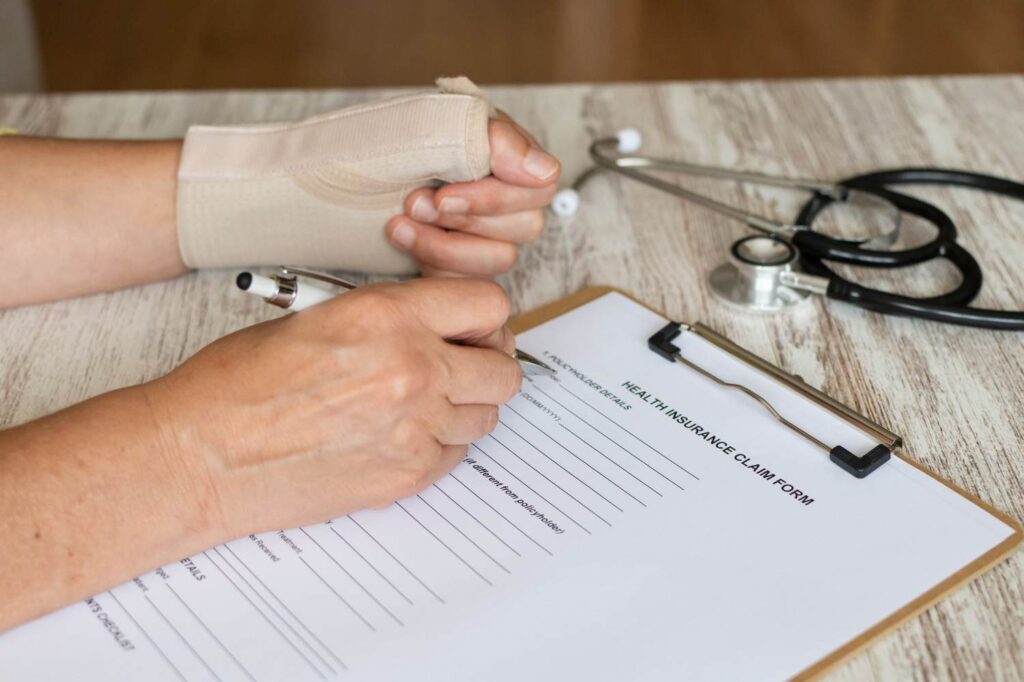
Medical Restrictions Can Define What Work Is Still Possible
A doctor may place permanent restrictions on an injured employee after determining that returning to certain activities could be unsafe or medically inappropriate.
Restrictions may affect a worker’s ability to:
- Lift or carry significant weight.
- Stand or walk for extended periods.
- Bend, kneel, or climb.
- Perform repetitive movements.
- Operate machinery.
- Work particular schedules or shifts.
These limitations matter because a worker’s ability to return to employment depends on the job’s actual demands, not simply on whether the employer considers the employee capable of working.
What If the Employer Cannot Accommodate the Restrictions?
Some employers may be able to provide modified duties or move an injured employee into another position. Others may have no job that fits the worker’s permanent restrictions.
That distinction can become especially important when an employee spent years performing physically demanding work and no longer has the capacity to do it.
The consequences may extend beyond the loss of a particular position. An injury can narrow the range of jobs a person can realistically perform, potentially affecting future wages and long-term employability.
Permanent Disability May Become a Central Issue
When lasting limitations remain, the workers’ compensation claim may involve an evaluation of permanent disability.
The extent of that disability depends on the individual circumstances. Some workers can return to employment but have permanent impairment. Others may face limitations significant enough to affect their ability to compete for suitable work substantially.
Medical evidence is critical in evaluating these issues. Records documenting treatment, functional limitations, permanent restrictions, and the nature of the worker’s previous occupation can help demonstrate how the injury has changed the employee’s working capacity.
The Job You Had Before the Injury Matters
Two workers with similar physical injuries may experience very different employment consequences.
A permanent lifting restriction, for example, may have relatively little effect on someone whose job is primarily sedentary. That same restriction could prevent a laborer, mechanic, warehouse worker, or other physically demanding employee from returning to a career they have performed for decades.
For that reason, evaluating a workers’ compensation claim may require looking beyond the medical diagnosis itself. The worker’s age, occupational history, skills, education, restrictions, and ability to perform other employment can all become relevant to understanding the injury’s long-term impact.
Talk With a St. Louis Workers’ Compensation Attorney About What Comes Next
Being cleared from active medical treatment does not answer what happens when a workplace injury permanently changes the type of work you can perform.
If you suffered a Missouri workplace injury and cannot return to your previous job, Gogel Law Firm can help you understand how permanent restrictions may affect your workers’ compensation claim and the benefits available to you. Contact our St. Louis workers’ compensation attorney today at (314) 742-3147 or online to schedule a free consultation.
