







Not every serious injury results from an obvious hazard. In many cases, the conditions that lead to harm appear ordinary at first glance. A walkway looks clear. A store feels well-maintained. An apartment complex seems safe. Yet beneath that surface, subtle design flaws, maintenance issues, or operational decisions can create risk conditions that are anything but minor.
Across Missouri, premises liability claims often center on these less visible dangers. When someone is injured, the key question is not whether the hazard looked dramatic. It is whether the property owner failed to recognize and correct a condition that posed an unreasonable risk.
Why Some of the Most Dangerous Conditions Are the Least Obvious
Property owners have a legal obligation to maintain reasonably safe conditions for those who enter their premises. That responsibility extends beyond fixing clearly broken elements. It includes identifying risks that may not be immediately noticeable but still create foreseeable harm.
These hazards are often overlooked because they blend into the environment. Visitors may not perceive them as dangerous until it is too late. In many cases, the danger only becomes clear after an incident occurs.
Examples of these less obvious conditions may include:
- Poor Lighting in Walkways, Stairwells, Or Parking Areas.
- Uneven Flooring or Subtle Elevation Changes Without Proper Marking.
- Temporary Displays, Fixtures, Or Equipment Placed in High-Traffic Paths.
- Congested Layouts That Disrupt Natural Foot Traffic Flow.
- Worn Surfaces That Reduce Traction Without Appearing Damaged.
- Improperly Secured Mats, Rugs, Or Floor Coverings.
- Maintenance Delays That Allow Minor Issues to Escalate into Safety Risks.
Each of these conditions may seem minor in isolation. However, when combined with real-world movement, distractions, and environmental factors, they can lead to serious injuries.
How Risk Builds in Everyday Environments
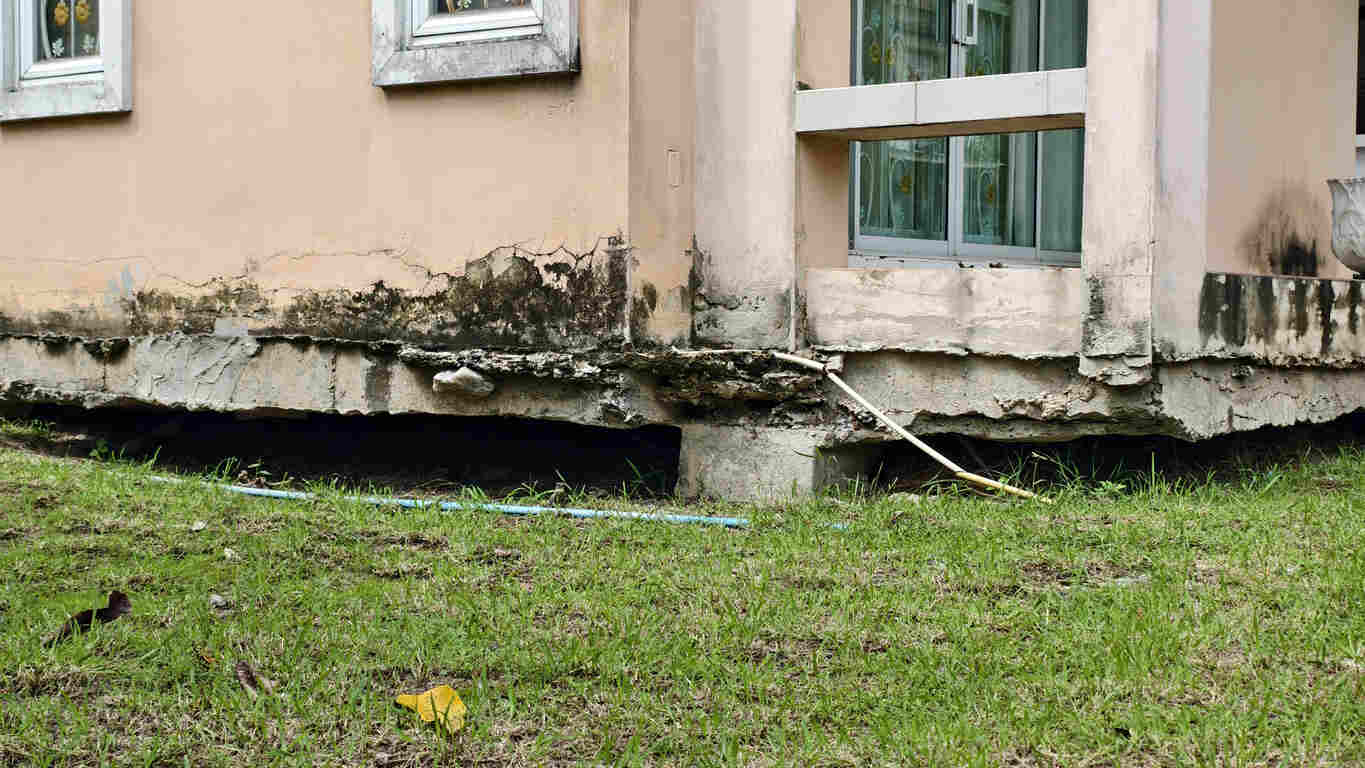
In many premises liability cases, the issue is not a single hazard but a pattern of conditions that increase the likelihood of harm. A dimly lit area combined with an uneven surface, for example, significantly raises the risk of a fall. A crowded retail layout paired with obstructed sightlines can lead to sudden collisions or missteps.
These risks often develop over time. Property owners and managers may become accustomed to the environment and fail to see the danger from a visitor’s perspective. What feels normal to someone who works there every day may present a hidden hazard to someone unfamiliar with the space.
In high-traffic environments such as shopping centers, apartment complexes, and entertainment venues, these risks are magnified. The more people move through a space, the more critical it becomes to anticipate how conditions may affect safety.
Building a Premises Liability Claim in Missouri
When someone is injured on another party’s property, proving a claim requires more than showing that an injury occurred; the focus is on whether the property owner knew, or should have known, about the hazardous condition and failed to take reasonable steps to address it.
A strong premises liability claim often involves establishing:
- The Existence of a Dangerous Condition on the Property.
- The Property Owner’s Actual or Constructive Knowledge of the Condition.
- A Failure to Repair, Warn, or Otherwise Address the Risk.
- A Direct Connection Between the Condition and the Injury Sustained.
In cases involving less obvious hazards, this process can become more complex. The defense may argue that the condition was not dangerous or that the injured person should have noticed it. That is why careful investigation is critical.
The Role of Evidence in Hidden Hazard Cases
Because these hazards are not always immediately apparent, evidence plays a central role in demonstrating how and why the injury occurred. In many situations, the conditions that caused the injury may be altered or corrected shortly after the incident.
Key evidence in these cases may include:
- Surveillance Footage Showing the Incident and Surrounding Conditions.
- Photographs Taken Immediately after the Injury Occurred.
- Maintenance and Inspection Records for the Property.
- Incident Reports Prepared by Staff or Management.
- Witness Statements from Others Who Observed the Conditions.
- Expert Analysis of Property Design, Lighting, or Safety Standards.
This type of evidence helps establish that the hazard was present, that it posed a risk, and that reasonable steps were not taken to prevent harm.
Why These Claims Are Often Disputed
Premises liability cases involving subtle hazards are frequently contested. Property owners and insurance companies may attempt to minimize the risk by characterizing the condition as harmless or unavoidable.
Common defenses may include:
Arguing that the Condition Was Open and Obvious.
Claiming the Injured Person Was Not Paying Attention.
Asserting that the Hazard Developed Too Quickly to Be Addressed.
Suggesting that No Prior Incidents Occurred, and Therefore No Risk Existed.
These arguments are often used to shift responsibility away from the property owner. However, the absence of prior incidents does not necessarily mean a condition was safe. It may simply mean the risk had not yet resulted in a reported injury.
How Liability Is Evaluated in Missouri
Missouri follows a comparative fault system. This means that even if an injured person is found to share some responsibility, they may still recover compensation. However, their recovery may be reduced based on their percentage of fault.
In premises liability cases, this often becomes a central issue. The defense may try to assign blame to the injured party by arguing that the injured party should have recognized the hazard. The outcome often depends on how clearly the risk can be demonstrated and whether the property owner’s actions were reasonable under the circumstances.
The Importance of Acting Quickly After an Injury
When an injury occurs due to a property hazard, timing matters. Conditions may change, evidence may disappear, and memories may fade. Taking steps early can help preserve critical information needed to support a claim.
Prompt action may include documenting the scene, seeking medical attention, and reporting the incident. These steps not only support recovery but also help establish a clear record of what occurred.
Guidance From Our St. Louis Personal Injury Attorney
Injuries caused by property hazards are often more complex than they initially appear. When the danger is not obvious, proving what went wrong requires a detailed understanding of how risk develops and how responsibility is evaluated under Missouri law.
Our attorney at Gogel Law Firm works with individuals and families across St. Louis who have been seriously hurt due to unsafe property conditions. If you have questions about your situation, we can help you understand your options and determine whether a claim may be appropriate.
Contact Gogel Law Firm today at 314-370-8173 or online for a free consultation
